Heartfelt Learning: Valentine’s Day Science for Young Minds
Valentine’s Day science offers a fresh way to spark curiosity beyond the usual cards and chocolates. When you bring heart experiments for children into early childhood settings, learning about the body becomes a hands-on adventure. These playful activities not only boost STEM skills but also connect with the EYLF, helping children grow confident and curious about how their bodies work. Ready to turn Valentine’s Day into a memorable science journey?
Heartfelt Science Fun for Children
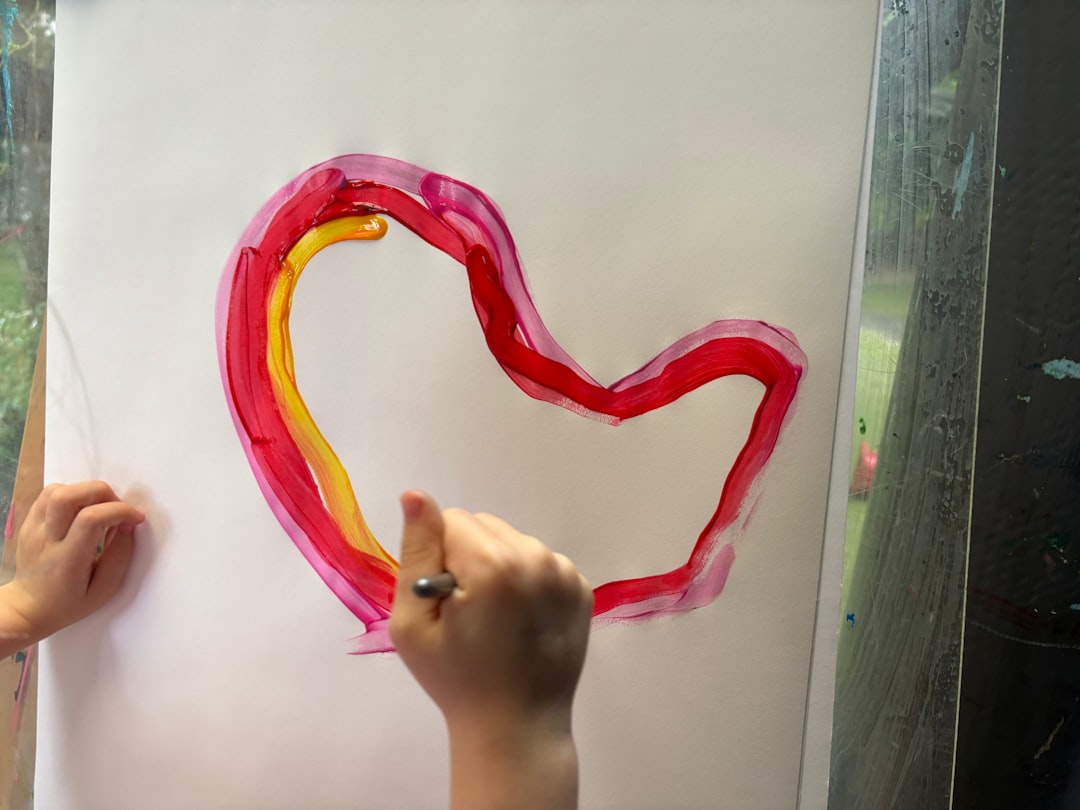
Heart-themed experiments bring science to life through play, creating perfect learning moments for young children who love to explore with their hands and minds.
Engaging Heart Experiments
Make a simple stethoscope with your children using just a paper towel roll and a paper cup. Tape the cup to one end of the roll, place it against someone’s chest, and listen. Children’s eyes light up when they hear that first “thump-thump” sound!
Try this with your group: have children count heartbeats for 15 seconds when sitting quietly. Then jump or run for one minute and count again. The difference amazes them! “My heart is working harder!” they’ll say. This basic activity teaches cause and effect while introducing body systems.
A pumping heart model shows how this amazing muscle works. Fill a clear plastic bottle with red-colored water, insert flexible straws as “blood vessels,” and squeeze. Children see how pressure pushes the “blood” through the system. This visual demonstration helps abstract concepts make sense to concrete thinkers.
Benefits of Hands-On Learning
Children remember what they touch, make, and do. When a child creates a heart model or listens to real heartbeats, they form lasting neural connections that textbooks or videos simply cannot match.
Brain research shows that physical experiences activate multiple brain regions at once. A child squeezing a heart model uses motor skills, visual processing, and reasoning altogether. This full-brain engagement leads to deeper understanding and better recall later.
Hands-on activities also build problem-solving skills naturally. When the stethoscope doesn’t work well, children try different positions or adjust their design. These small challenges teach persistence and creative thinking.
The social aspect matters too. Working together on heart experiments creates shared experiences and vocabulary. You’ll hear children excitedly telling parents, “I heard Sam’s heart today!” These moments build communication skills and confidence.
Body Learning and EYLF

The Early Years Learning Framework guides us to help children become confident, involved learners who understand their world – including their own bodies.
Play-Based Learning Techniques
Turn body learning into games that children choose to play again and again. Create a “Body Detective” corner with magnifying glasses, measuring tapes, and mirrors where children track their own heartbeats after different activities.
Story-based approaches work wonderfully, too. Start with a tale about a tiny explorer travelling through the body, then ask children what this explorer might see inside the heart. Their drawings and stories reveal their understanding while building literacy skills.
Use questioning techniques that prompt thinking rather than testing knowledge. Instead of “Where is your heart?” try “What do you think makes your heart beat faster?” This approach respects children’s theories and encourages critical thinking.
Props and visual aids make abstract concepts concrete. Large fabric hearts that open to show chambers, or blue and red ribbons representing blood flow, help children grasp complex ideas through playful interaction.
Supporting STEM for Preschoolers
Young children are natural scientists. They observe, question, test ideas, and draw conclusions – all core scientific thinking skills that Valentine’s Day heart experiments can develop.
Start with simple measurement activities. Children can count heartbeats before and after exercise, record the results using tally marks, and create simple picture graphs. These activities build early math skills while teaching scientific observation.
Encourage prediction skills by asking “what might happen if…” questions. Before dropping a candy heart in water, ask children what they think will occur. Their predictions, right or wrong, develop scientific thinking patterns.
Documentation makes learning visible. Take photos of experiments, record children’s comments, and display these alongside their artwork. This practice values their ideas and helps them see themselves as capable learners, aligning perfectly with Queensland’s early childhood approach.
Exciting Valentine’s Day Activities
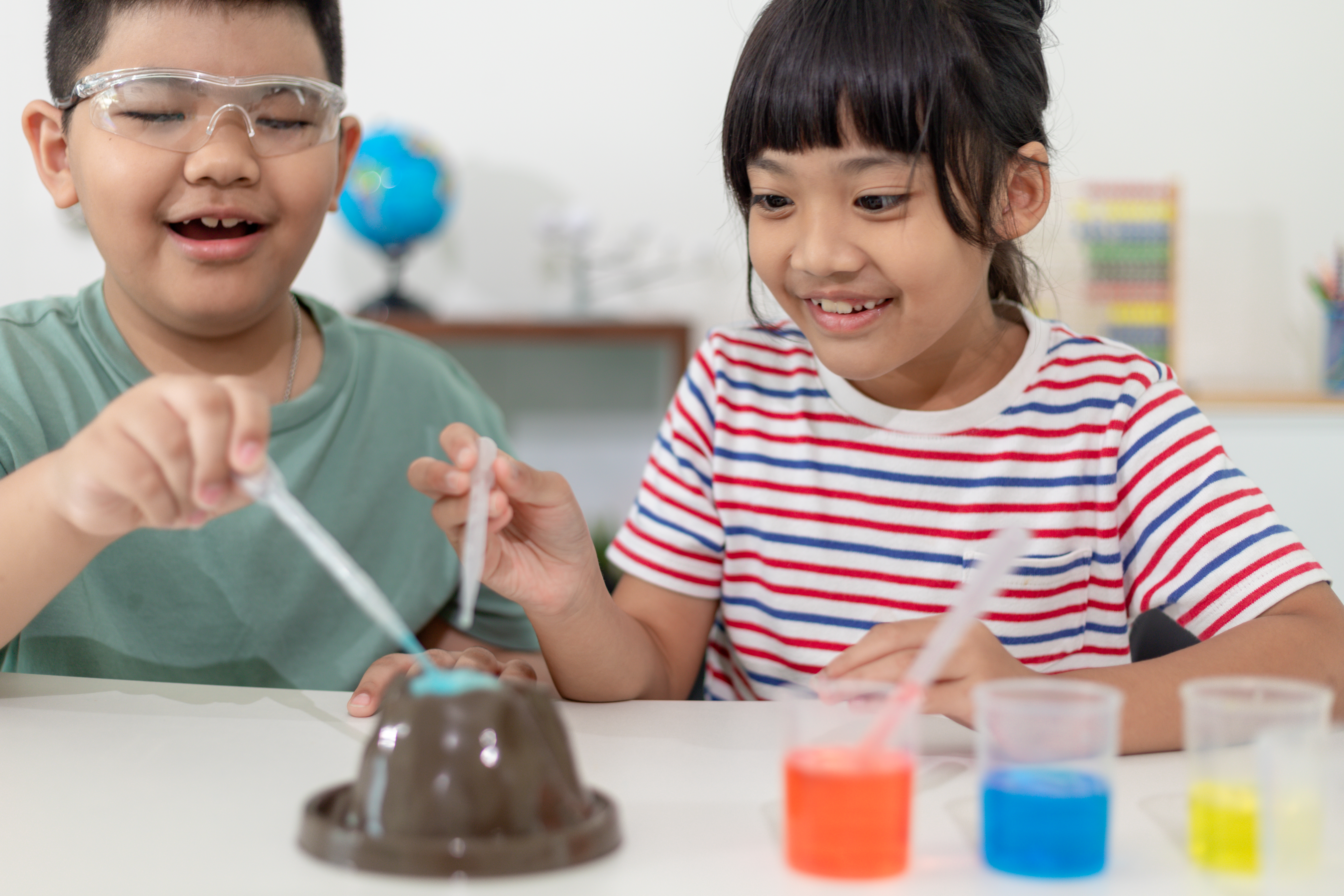
Valentine’s Day offers the perfect theme to blend science, creativity, and fun while teaching children about their amazing bodies.
Simple Chemistry Experiments
The classic fizzing hearts experiment never fails to amaze. Mix baking soda with a little water and red food colouring, then shape into hearts. Let them dry, then watch children’s faces light up as they drop vinegar onto their creations. The bubbling reaction teaches basic chemistry principles through sensory play.
For a colourful twist, try rainbow hearts. Place paper towel hearts in a row with primary colours at each end. Watch as the colours travel and mix, creating new shades where they meet. Children learn about colour mixing and absorption while creating beautiful Valentine’s art.
Candy heart experiments offer tasty science lessons. Place different colored hearts in separate cups with warm water. Ask children which colours might mix faster or create new colours. This simple activity introduces concepts of dissolution and colour theory through familiar Valentine’s treats.
Magic colour-changing potions captivate young scientists. Use red cabbage juice as a natural pH indicator that changes from purple to pink or blue depending on whether you add lemon juice (acid) or baking soda (base). Children learn about chemical reactions while creating “magic Valentine’s potions.”
Exploring Senses Through Play
Valentine’s Day offers rich opportunities for sensory exploration that build brain connections. Create mystery boxes filled with heart-shaped objects of different textures – smooth wooden hearts, fuzzy fabric hearts, and bumpy foam hearts. Children describe what they feel, building vocabulary and tactile discrimination.
Sound exploration ties perfectly to heart learning. Record heartbeats at different activity levels, then play them back at varying speeds. Children can move their bodies to match each rhythm, connecting sound to physical experience.
Scent activities build cognitive skills, too. Prepare small containers with Valentine’s scents like chocolate, cinnamon, and vanilla. Children match identical scents, describe differences, and talk about memories these smells trigger. These connections strengthen neural pathways for memory formation.
Visual discrimination develops through heart-sorting games. Provide hearts in different sizes, colours, and patterns. Children create their own sorting rules – by size, shade, or design. This activity builds classification skills fundamental to scientific thinking and math development.
The Early Years Count Queensland program recognises that sensory play builds crucial brain architecture. When you connect these activities to Valentine’s Day themes, you create meaningful learning that children eagerly embrace.
Valentine’s Day science brings joy to learning while building essential skills. By connecting heart experiments to body awareness, you help children develop knowledge about themselves while fostering curiosity about the world.
These activities align perfectly with Queensland’s educational initiatives that support whole-child development. For more ideas and resources to enrich your early learning program, visit Fireflies Early Learning, where play-based learning comes to life every day.
Sources and Further Reading
Queensland Government Resources:
-
Queensland Government – Early Childhood Education and Care
https://earlychildhood.qld.gov.au/ -
Australian Children’s Education and Care Quality Authority (ACECQA) – Early Years Learning Framework
https://www.acecqa.gov.au/nqf/national-law-regulations/approved-learning-frameworks -
Queensland Curriculum and Assessment Authority (QCAA) – Queensland Kindergarten Learning Guideline
https://www.qcaa.qld.edu.au/kindergarten/qklg -
Queensland Government Department of Education – A Great Start for All Queensland Children
https://qed.qld.gov.au/programsinitiatives/earlychildhood -
Early Years Count Queensland
https://www.earlyyearscount.earlychildhood.qld.gov.au/
National Framework:
-
Belonging, Being and Becoming: The Early Years Learning Framework for Australia V2.0 (2022)
https://www.acecqa.gov.au/sites/default/files/2023-01/EYLF-2022-V2.0.pdf
At Fireflies Early Learning, we create nurturing, stimulating environments where children’s natural curiosity flourishes. Contact us to learn more about our play-based, EYLF-aligned programmes that prepare children for lifelong learning success.