
Safe Splashing: How Fireflies Early Learning Keeps Your Child Cool and Engaged This Summer
Queensland summers push temperatures to the limit, making safe water play essential for young children. At Fireflies Early Learning, we know water play goes beyond cooling off—it sparks physical development, cognitive learning, and language growth. With careful planning and strict safety measures, children stay protected and engaged while enjoying the many benefits of water play during the hottest months. For more information about keeping children safe during hot weather, visit the Queensland Government’s Hot Day, Safe Play resource.
Water Play Benefits in Early Childhood
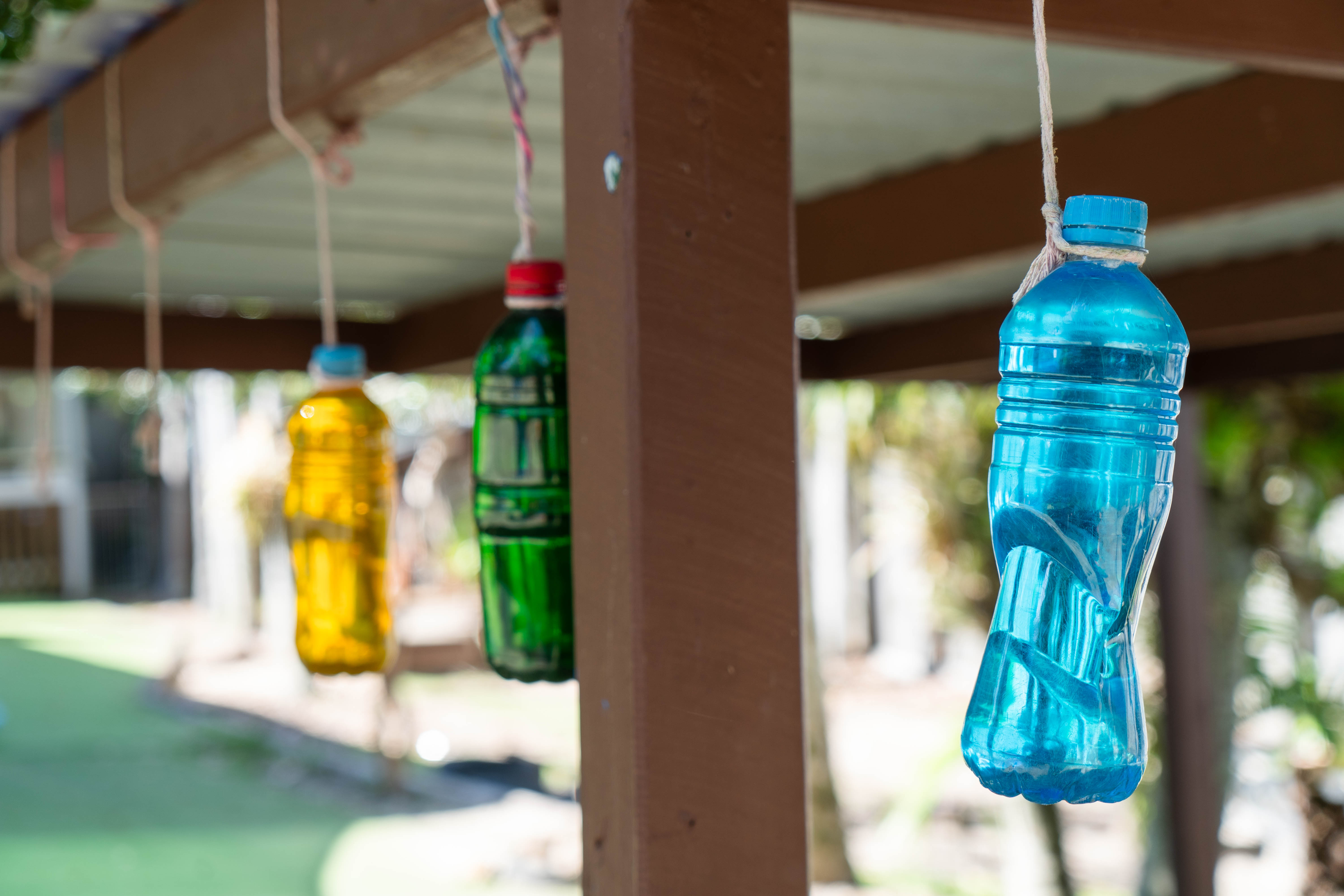
Water play offers much more than just fun on hot days. When children splash, pour, and explore with water, they gain skills across many areas of growth. Let’s look at how these wet activities build strong bodies, sharp minds, and good communication skills.
Physical Development through Water Activities
Water play builds both small and large muscle skills that children need for everyday tasks. When your child pours water between containers, they strengthen hand muscles needed later for writing. Squeezing sponges and using spray bottles helps develop the precise finger control needed for buttoning clothes and using scissors.
Big movements matter too. Carrying buckets, running through sprinklers, or throwing wet sponges builds arm and leg strength. These activities boost balance and coordination while making physical activity feel like play rather than exercise.
Water play also teaches body awareness, as children feel resistance when moving their hands through water. They learn to adjust their movements based on how water responds – moving faster creates bigger splashes, while gentle touches create ripples. This sensory feedback helps children understand how their bodies work in space.
Cognitive and Scientific Learning Opportunities
Water play creates natural science labs where children make discoveries through hands-on experiments. When your child watches a toy boat float while a rock sinks, they’re learning basic physics concepts. These early science experiences build the foundation for later understanding of density, buoyancy, and materials.
Children learn math concepts through water play without even realising it. They explore volume when filling containers, understand “more” and “less” when comparing water levels, and practice counting as they pour specific amounts. These concrete experiences make abstract math ideas real and meaningful.
Problem-solving skills grow when children figure out how to move water from one place to another or create channels for water to flow. They test ideas, watch what happens, and try new approaches when their first attempts don’t work. This trial-and-error process builds persistence and critical thinking skills.
The Australian Institute of Family Studies highlights how nature play, including water activities, creates rich learning opportunities that engage all the senses and build scientific thinking.
Language and Communication Growth
Water play fills children’s mouths with new words as they describe what they see and feel. They learn action words like “pour,” “splash,” and “drip” along with descriptive terms like “wet,” “bubbly,” or “cold.” These words come naturally as children talk about their water play experiences.
Group water activities create perfect settings for conversation and social skills. Children ask questions, share discoveries, and work together on water projects. They practice taking turns at the water table and learn to listen to others’ ideas about building dams or creating whirlpools.
For younger children, water play often brings out language even when they’re typically quiet. The excitement of splashing or the surprise of seeing colours mix in water motivates them to share their thoughts. Teachers can build on these moments by asking open-ended questions like “What do you think will happen if…?” or “How does that water feel?”
Even babies and toddlers who aren’t speaking benefit from hearing rich language during water play. They connect words with actions and sensations, building vocabulary they’ll use later.
Summer Safety in Queensland’s Heat
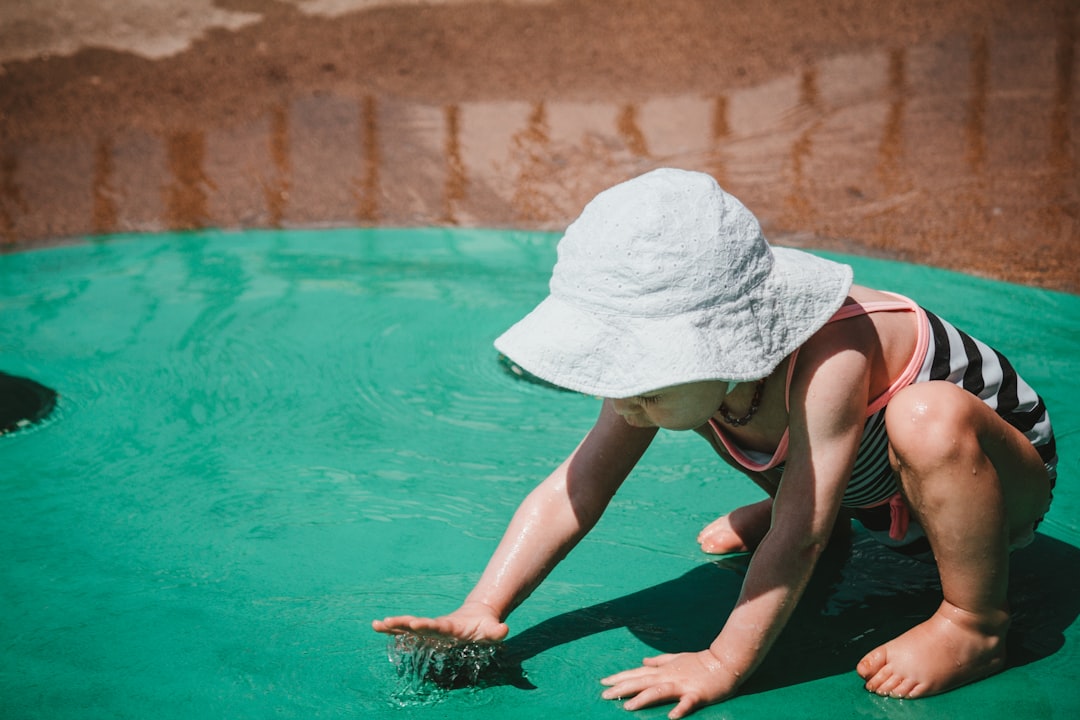
The hot Queensland climate creates both opportunities and challenges for outdoor water play. While water activities offer relief from the heat, proper protection from the sun and high temperatures must be top priorities for all children’s services.
Queensland Sun Safety Measures
Queensland faces some of the highest UV levels in the world, making sun safety critical for young children. The Cancer Council Queensland recommends a comprehensive approach because UV damage in childhood increases skin cancer risk later in life.
Sun protection in Queensland isn’t just good practice—it’s part of quality standards for early childhood services. The National Quality Framework requires centres to have sun protection policies that keep children safe during outdoor play, including water activities.
Most Queensland locations need sun protection year-round, not just during summer. This means water play must always include proper sun safety measures, even on cloudy days when UV rays still reach harmful levels.
Children’s skin burns much faster than adult skin, and the damage can’t be reversed. That’s why Queensland centres must follow strict guidelines about outdoor play times, shade requirements, and protective clothing—even during water play when children might want to wear less.
Implementing Effective Sun Protection
Creating sun-safe water play starts with timing. Schedule water activities before 10 am or after 3 pm when UV levels typically drop. During peak UV hours, move water play to shaded areas under trees or shade sails that block at least 94% of UV radiation.
Proper clothing remains essential even during water play. Choose lightweight, quick-dry shirts with sleeves and high necks that cover shoulders. Many companies now make sun-protective swimwear designed specifically for children’s sensitive skin.
Hats stay on during water play—look for wide-brimmed or legionnaire styles that protect faces, ears, and necks. Bucket hats work well for water play since they dry quickly and keep their shape when wet.
Sunscreen needs special attention during water activities. Apply broad-spectrum, water-resistant SPF 30+ sunscreen 20 minutes before children go outside. Reapply every two hours or more often if children are getting wet or drying off with towels. Set up a sunscreen station near your water play area as a visual reminder.
Remember that reflected UV from water surfaces can increase exposure, so sun protection matters even more during water play than during other outdoor activities.
Creating Safe and Engaging Water Play Environments
Setting up water play areas requires careful planning to keep children both safe and engaged. With the right precautions and creative activities, water play becomes a highlight of summer programming.
Essential Water Safety Precautions
Water safety starts with constant, active supervision. During water play, teachers must maintain clear sight lines to all children and stay close enough to reach any child quickly. The Australian Children’s Education and Care Quality Authority (ACECQA) water safety guidelines stress that drowning can happen quickly and silently, even in shallow water.
Keep water containers shallow—just a few centimetres deep for most activities. Empty all water vessels immediately after use, including buckets, tubs, and water tables. Never leave containers where they might collect rainwater that could pose drowning risks.
Create clear boundaries for water play areas using visual markers like colored tape on the ground or low barriers. Teach children that water stays in designated zones to prevent slippery surfaces in walkways or indoor areas.
Check water temperature before play begins, especially if using hose water that may have heated up in the sun. Warm water can quickly become too hot for children’s sensitive skin and create burn risks.
Establish and practice water play rules with children: no running in wet areas, no drinking the play water, and hands must be washed before and after water activities to prevent the spread of germs.
Creative Water Play Ideas for Learning
Transform simple water play into rich learning experiences with thoughtfully selected materials. Fill water tables with measuring cups, funnels, and containers of different sizes to explore volume and capacity. Add food colouring to create opportunities for colour mixing experiments.
Create a water wall using recycled plastic bottles, funnels, and tubes attached to a fence or board. Children learn about gravity and water flow as they pour water at the top and watch it travel through the system.
For sensory exploration, add natural materials to water—smooth stones, sticks, pine cones, or flowers. Children discover how these items interact with water while building connections to the natural world.
Set up a pretend car wash with sponges, soap, and toy vehicles. This dramatic play scenario builds language skills as children discuss cleaning steps and negotiate roles with friends.
For older preschoolers, introduce simple science experiments like testing which objects sink or float. Provide a collection of items made from different materials and let children predict results before testing their theories.
Rotate water play materials regularly to maintain interest and introduce new learning concepts. One week focus on pouring and measuring, the next on bubbles and foam, and another on water painting with brushes on outdoor surfaces.
Water play offers endless possibilities for learning while keeping children cool and engaged during hot Queensland days. With proper safety measures and creative planning, it becomes one of the most valuable activities in your summer program.