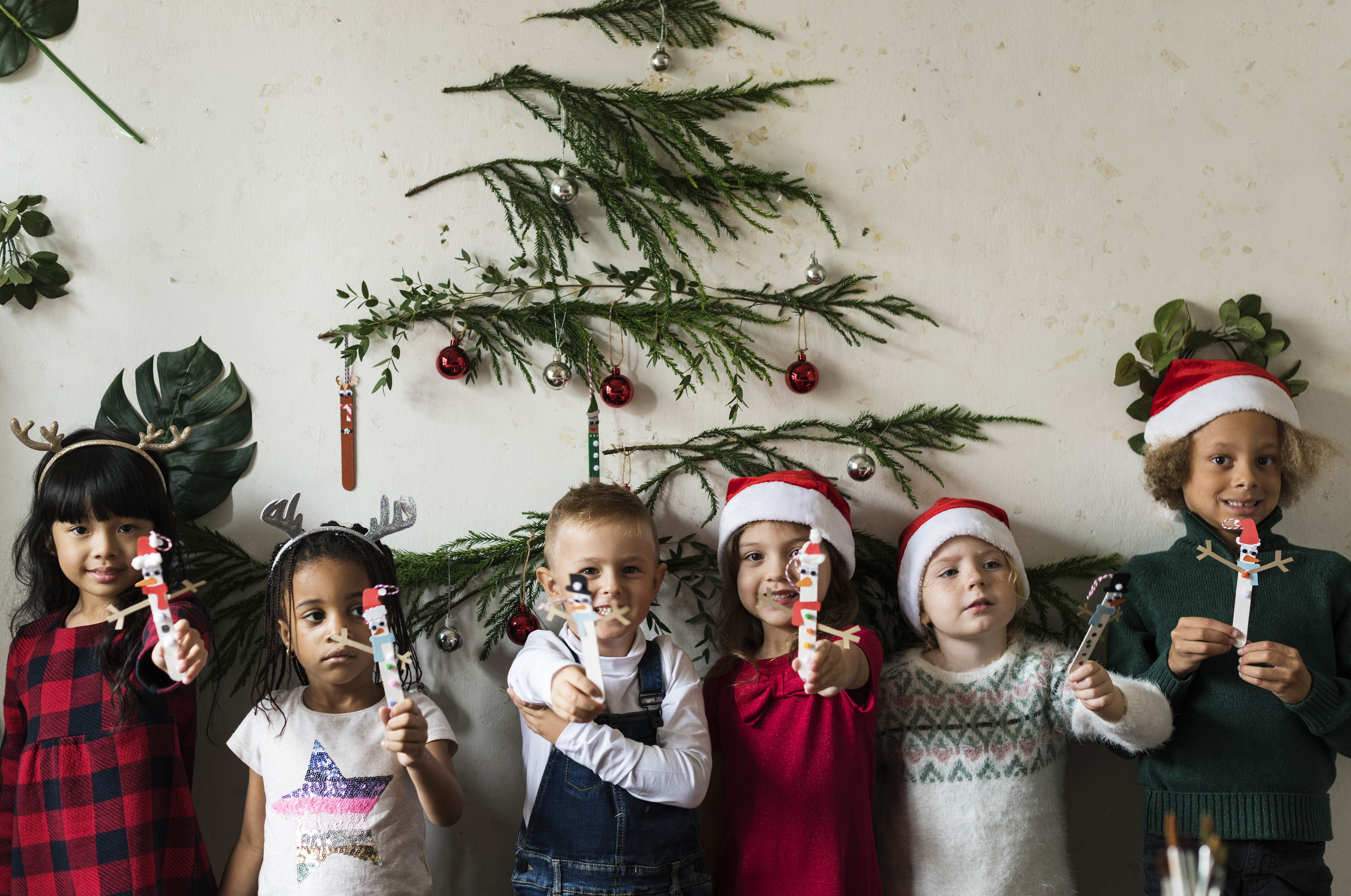
 December at Fireflies Early Learning buzzes with festive cheer, but not every family’s celebrations look the same. With children from many cultures, we make sure every tradition is honoured, and every child feels included. In this post, you’ll find thoughtful ideas for celebrating the holidays in ways that respect diversity and foster a real sense of belonging in your classroom. For more guidance, visit ACECQA’s resource on exploring celebrations in children’s services.
Why Inclusive Celebrations Matter
Children form their earliest ideas about the world in these first years. The way we handle holidays shapes how they view differences, as something to appreciate or something to fear.
Respecting Family Beliefs
Your classroom brings together families with rich and varied traditions. Some children celebrate Christmas with religious meaning, while others enjoy it as a secular holiday. Some families observe Hanukkah, Diwali, or Kwanzaa, and others don’t mark any end-of-year celebrations at all.
When you showcase only one tradition, you send a message about what’s “normal” or important. Children quickly pick up on these cues. They notice when their family’s practices aren’t reflected in the classroom.
The impact goes beyond hurt feelings. Research shows that children as young as three start forming ideas about social status and belonging based on what they see valued in their environment. By making space for all traditions, you tell each child: “Your family’s way matters here.”
This doesn’t mean watering down celebrations. It means making them richer by including more voices, more stories, and more ways of marking special times.
Building Cultural Competence
Young children are natural anthropologists; they’re constantly studying the people around them and trying to make sense of what they see. Holiday times offer perfect opportunities for this learning.
When you introduce different celebrations thoughtfully, children build cultural competence—the ability to understand, respect and work well with people from various backgrounds. This skill will serve them throughout life in our connected world.
Start with concrete examples that children can grasp. Show how different families light candles, share meals, or give gifts for various reasons. Use photos, stories, and hands-on activities to make these concepts come to life.
Keep explanations simple but honest. “Some families celebrate this holiday because…” gives children factual information without overwhelming them. Answer questions directly, and if you don’t know something, model curiosity: “That’s a great question, let’s find out together!”
The goal isn’t to teach every detail about world religions but to plant seeds of respect for diverse ways of living and celebrating.
Creating Belonging for All
Picture a classroom where Christmas decorations cover every wall, Santa crafts fill each day, and carols play constantly. Now imagine being the child whose family doesn’t celebrate Christmas. Despite your best intentions, that child feels like an outsider during what should be a joyful time.
Creating true belonging means no child should have to “tolerate” the holiday season or feel like the odd one out. Every child deserves to see themselves reflected in the celebration.
This matters because feeling like you belong affects everything from emotional wellbeing to learning outcomes. Children who feel they fit in show greater engagement, confidence, and academic progress.
The beauty of inclusive celebrations is that they expand rather than limit joy. Children gain exposure to more stories, more songs, more traditions—and more ways to connect with each other across differences.
By building a classroom where many traditions shine, you create a place where every child can feel: “I belong here, just as I am.”
Principles of Inclusive Holiday Celebrations
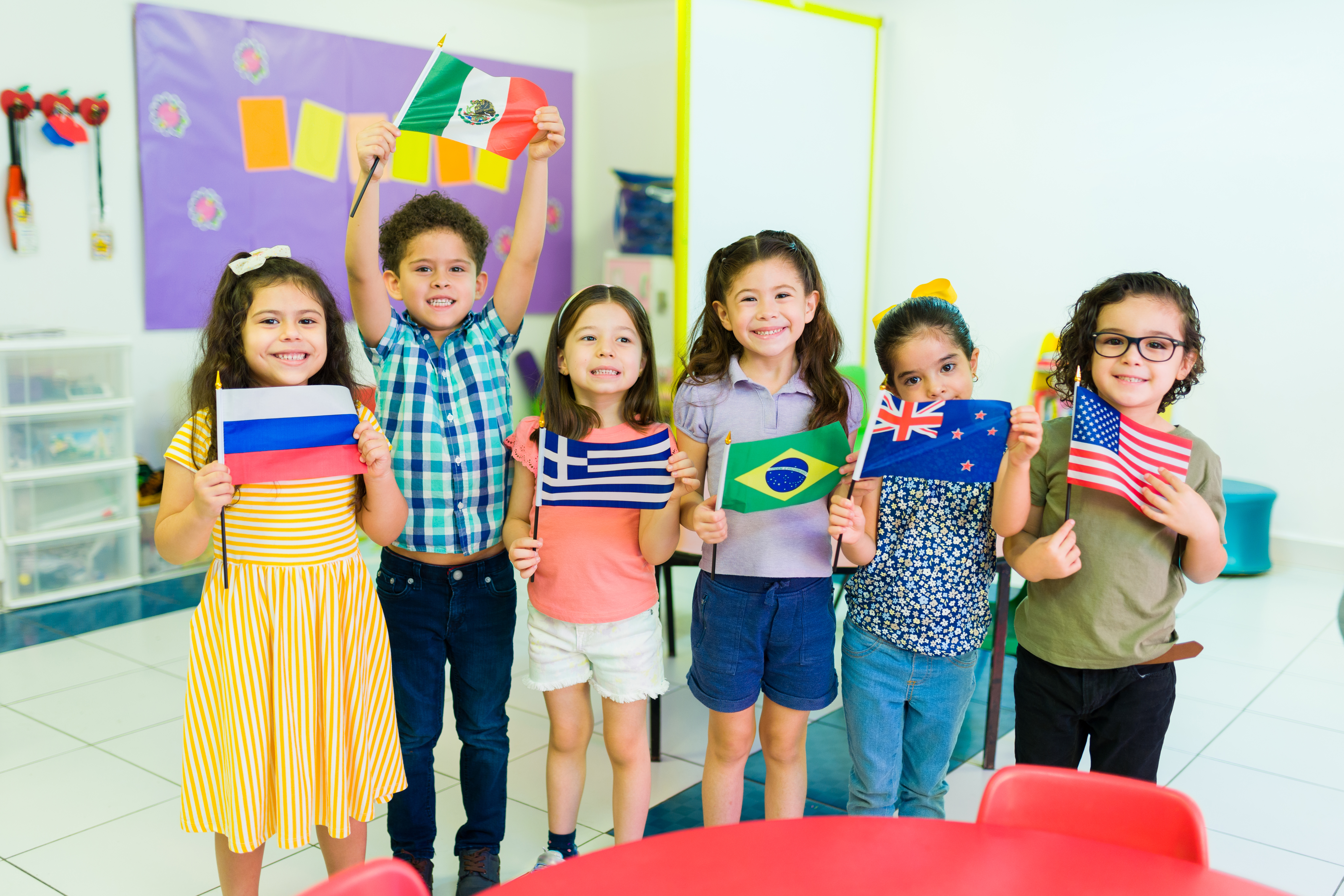
Creating truly inclusive celebrations takes more than good intentions. These core principles will guide your planning and help you avoid common pitfalls.
Representation, Not Tokenism
There’s a big difference between genuine representation and token gestures. Adding a menorah to a room full of Christmas trees doesn’t create balance—it highlights the imbalance.
True representation means giving comparable time, space and depth to different traditions. This doesn’t require equal time for every possible celebration, but thoughtful attention to the cultures present in your classroom and community.
Watch for the “tourist approach” that reduces rich traditions to stereotypical symbols or activities. Celebrations have meaning and context that children deserve to understand, even in simplified forms.
For example, rather than just making paper dreidels, talk about why families play this game during Hanukkah. Instead of just coloring Christmas trees, discuss what this symbol means to people who celebrate.
Quality always beats quantity. It’s better to explore a few traditions meaningfully than to race through many superficially. Remember that children learn more from how you approach differences than from any specific activity you plan.
The test of good representation is whether children from that tradition would recognize and feel proud of how their celebration is portrayed in your classroom.
Family Partnership
Families are your best resource for creating authentic celebrations. They bring firsthand knowledge that no book or website can match.
Start by asking families about their traditions through simple surveys or conversations. “What winter holidays does your family celebrate? Are there traditions you’d like to share with our class?” These questions signal that you value their input.
Be careful not to put families on the spot or make them feel responsible for representing their entire culture. Some may eagerly volunteer to share stories or cook traditional foods, while others prefer more privacy around their practices.
Create multiple ways for families to contribute based on their comfort level—sending photos, suggesting books, recording a song, or visiting the classroom. Always thank families for sharing and model respectful interest for the children.
This partnership extends to respecting boundaries too. If families prefer their children not participate in certain activities, work with them to find meaningful alternatives without making the child feel excluded.
Remember that families from the same culture may celebrate differently. Avoid assumptions and listen carefully to each family’s unique approach.
Opt-In, Not Opt-Out
Traditional holiday approaches often force families to “opt out” of activities that don’t match their beliefs—putting children in the uncomfortable position of being visibly excluded.
Flip this dynamic by creating an “opt-in” structure where participation is always a choice, not an expectation. This subtle shift makes a world of difference in how children experience celebrations.
Design your schedule so multiple activities happen simultaneously. While some children make ornaments, others might create winter art or work on family tradition books. This allows natural participation without spotlighting differences.
Use language that includes rather than assumes: “For friends who celebrate Christmas…” rather than “Everyone will make a Christmas craft.” Small wording changes signal that diversity is normal and expected.
Focus on universal themes that cross cultural boundaries—light, giving, gratitude, family, seasonal changes. These create common ground while respecting differences in how these themes are expressed across traditions.
The goal is for every child to feel they are choosing to join in, rather than being forced to step away. This approach preserves the joy of celebration while protecting each child’s sense of belonging.
Inclusive Celebration Ideas
Now for the fun part—turning these principles into action! Here are practical ways to celebrate that honor diversity while creating shared joy.
Universal Themes Everyone Can Celebrate
Light serves as a powerful, cross-cultural theme during December. Nearly every tradition features candles, lamps, or twinkling lights—whether Diwali’s diyas, Hanukkah’s menorah, or Christmas lights.
Create a “Festival of Lights” where children explore light through science (shadows, reflections, colors) and art (light catchers, lanterns). Talk about how people across cultures use light to symbolize hope, joy, and warmth during dark times.
For Australian classrooms, connect this to our summer solstice—the longest day of the year. This natural phenomenon provides a scientific anchor for discussions about light and dark across seasons and cultures.
Kindness and giving form another universal bridge between traditions. Most December celebrations include some element of generosity, whether through gifts, charitable acts, or community service.
Start a kindness calendar with simple daily acts: “Draw a picture for someone,” “Help clean up without being asked,” “Say something nice to each person in your family.” These actions connect to values shared across cultural and religious boundaries.
Create a “giving project” where children make simple gifts or collect items for a local charity. This teaches that celebrations can focus on giving rather than receiving, a lesson that transcends any specific holiday.
Family connections provide another inclusive focus. End-of-year often means family gatherings across many cultures. Create family story books where each child shares something special about their family—traditions, favorite meals, or special places they visit together.
These universal themes create common ground while honoring the different ways families express these values through their unique traditions.
Learning About Multiple Celebrations
When teaching about specific holidays, accuracy and respect are key. Children deserve authentic information about various celebrations, presented at their developmental level.
For Christmas, explain that people celebrate in different ways—some focus on the religious story of Jesus’s birth, while others enjoy Santa Claus and gift-giving. Show how Christmas looks different around the world (Australian summer Christmas versus Northern Hemisphere winter traditions).
When discussing Hanukkah, focus on the basic story of the oil lasting eight days and how Jewish families light the menorah, play dreidel games, and eat special foods. Use children’s books with accurate portrayals and, if possible, invite Jewish families to share their traditions.
For Diwali, explore the festival of lights through stories, art activities making rangoli patterns, and discussions about light overcoming darkness. Use authentic resources and images that show real celebrations rather than stereotyped versions.
Summer solstice offers a seasonal celebration perfect for Australian classrooms. Discuss how the longest day of the year connects to Indigenous seasonal knowledge, science concepts about the earth’s movement, and celebrations of light across cultures.
When teaching about any tradition, be clear about which families celebrate it and why, without suggesting one celebration is more important than others. Balance religious aspects with cultural practices so children understand both dimensions.
Books provide wonderful windows into different celebrations. Choose stories that show authentic traditions through the eyes of children who actually celebrate them. Read these throughout December rather than concentrating all “diverse” content into a single “multicultural day.”
Activities That Include Everyone
Family tradition sharing creates space for every child to feel special. Create a display where each family contributes something about their end-of-year traditions—photos, recipes, or brief descriptions. Include families who don’t celebrate any holidays by focusing on their unique family customs or special ways they spend time together.
Food connects us across cultures. Invite families to share simple recipes for holiday treats, then prepare these foods together. As you cook, talk about why these foods are special and what celebrations they’re connected to. Always provide alternatives for children with dietary restrictions.
Music and movement bring celebrations to life. Learn simple songs from different traditions, focusing on themes children can relate to—joy, light, family, or gratitude. Add movement elements like simple dances or games that connect to various celebrations.
Art projects work wonderfully for inclusive celebrations. Create a collaborative “Festival of Light” mural where each child contributes artwork inspired by different light celebrations—from Christmas stars to Diwali lamps to summer sunshine. This creates a visual representation of how diverse traditions can create something beautiful together.
A gratitude practice bridges all backgrounds. Create a “Thankful Tree” where children add leaves noting things they’re grateful for. This simple activity connects to the spirit of appreciation common in many end-of-year reflections, without tying to any specific religious tradition.
Community service projects teach giving back. Collect food items, make cards for nursing homes, or gather pet supplies for animal shelters. These activities connect to the giving spirit of many traditions while making a real difference in your community.
The key to inclusive activities is ensuring every child can participate meaningfully without compromising their family’s values or feeling like an outsider. With thoughtful planning, celebrations become richer, not restricted, when we make room for everyone.
By applying these principles and ideas, your classroom can become a place where December brings everyone together rather than highlighting differences. True inclusion doesn’t mean eliminating celebration—it means expanding our circle to make sure every child feels the joy of belonging.
For more ideas on creating inclusive environments, visit Raising Children Network’s resources on cultural diversity or explore Teaching Tolerance’s holiday resources for educators.