Why Observations and Documentation Are Crucial at Fireflies Early Learning
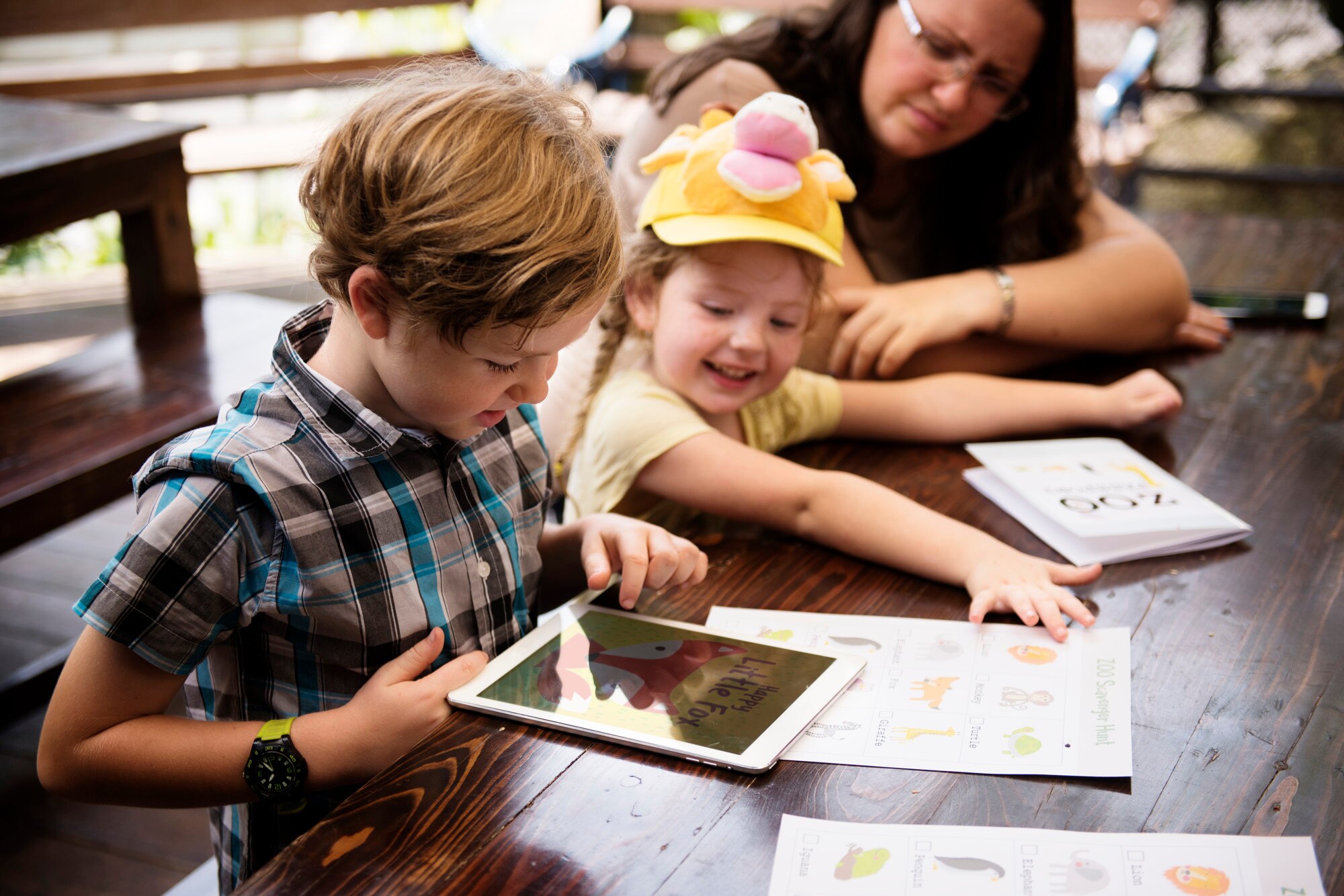
Most parents wonder why educators at Fireflies Early Learning often pause to write while children play. Those notes aren’t distractions; they’re how we understand your child’s unique interests and growth. Observations and documentation guide us to create learning experiences tailored just for your child. Keep reading to see how this approach makes all the difference at our Cooroy centre. Learn more about child development assessment at https://raisingchildren.net.au/.
Importance of Observations at Fireflies
When you watch children play, you see much more than just fun in action. At Fireflies, our educators spot learning moments that might go unnoticed by the casual observer. These insights form the foundation of our approach.
Understanding Individual Children
Every child brings their own personality, interests, and learning style to our centre. Through careful observation, we get to know what makes your child tick – not just what they can do, but how they prefer to learn.
Your child might be a hands-on explorer who needs to touch and feel to understand concepts. Or perhaps they’re a visual learner who watches intently before trying something new. Some children process ideas through talking, while others need quiet time to think.
Without these observations, we’d miss these crucial details. When we notice our four-year-old spending twenty minutes arranging blocks by size rather than building with them, we learn something valuable about how their mind works. These insights help us connect with your child in ways that make learning natural and enjoyable.
The Australian Research Alliance for Children and Youth confirms that recognising individual learning patterns leads to better outcomes for children. Our observation practices put this research into action every day.
Planning Meaningful Experiences
The magic of effective early education happens when activities match what children are ready to learn. Our observations guide this matching process, creating moments that matter.
When we notice three children fascinated by how water moves through tubes in the sand pit, we don’t just note it – we act on it. The next day, we might set up a water wall with different-sized containers and tubes, extending their exploration while introducing basic physics concepts.
This responsive approach means your child gets experiences that build on their current interests rather than random activities pulled from a generic curriculum. A child showing interest in matching and sorting might find counting frames and pattern cards appear in their play space.
Think about how much more engaged you are when learning something you’re curious about. Children are no different. When we base our planning on real observations of your child’s play, their motivation and focus naturally increase.
Tracking Development Over Time
Children grow and change so quickly that important milestones can be missed without systematic tracking. Our observation methods create a living record of your child’s journey.
When we document that your child struggled to use scissors in February but can now cut along curved lines in May, we’ve captured real progress. These records show growth across all developmental areas – physical skills, language, social interactions, and thinking abilities.
This tracking helps us spot patterns over time. Maybe your child masters physical skills quickly but needs more time with social concepts. This knowledge lets us provide the right balance of challenge and support.
The detailed picture we build helps us identify any areas where extra attention might benefit your child. Early identification makes a big difference when addressing developmental concerns, as noted by experts at the Department of Education.
Types and Techniques of Documentation
Good documentation brings learning to life through various methods. Each technique captures different aspects of your child’s development, creating a rich picture of their growth.
Visual and Written Records
Photos and written notes work together to tell the complete story of your child’s learning journey. These records capture moments that might otherwise be forgotten.
A photo series showing your child’s first attempts at building a block tower – from two blocks to ten – reveals persistence and growing coordination. When paired with notes about how they problem-solved when blocks fell, you get the full picture of their developing skills.
Written records take many forms at Fireflies. Sometimes they’re quick notes jotted during play: “Mia spent 15 minutes examining how shadows change when she moves her hands.” Other times, they’re detailed learning stories that capture significant moments of discovery or achievement.
These visual and written records work best together. The photo shows what happened, while the notes explain why it matters for your child’s development. This combination helps you see the learning happening within everyday play moments that might seem ordinary but actually represent important growth.
Developmental Checklists and Work Samples
Some aspects of development follow predictable patterns. Tracking these patterns helps us ensure your child is progressing as expected across all important areas.
Developmental checklists help us observe systematically. Rather than just noting what catches our eye, these tools remind us to watch for specific skills across physical, social, emotional, and cognitive domains. This balanced approach prevents gaps in our understanding of your child’s progress.
Work samples add another layer to this picture. Your child’s drawings from September, compared to December, show developing fine motor control. The stories they dictate reveal growing vocabulary and understanding of story structure.
The National Association for the Education of Young Children emphasises that collecting varied evidence provides the most accurate picture of development. Our combination of checklists and real work samples puts this best practice into action at Fireflies.
The Observation-Planning Cycle
Documentation isn’t just about recording – it’s about responding. Our observation-planning cycle ensures that what we learn about your child directly shapes what happens next.
The cycle begins with watching your child at play. We document what we see, then reflect on what it means for their development and interests. Based on these insights, we plan new experiences that will challenge and engage them at just the right level.
After implementing these plans, we will observe again to see how your child responds. Did the activity spark new interests? Did they approach it differently than expected? These fresh observations start the cycle again.
This approach keeps our program dynamic and responsive to your child’s changing needs. Rather than following a rigid curriculum, we adapt continuously based on real-time feedback from the children themselves.
Benefits for Families and Educators
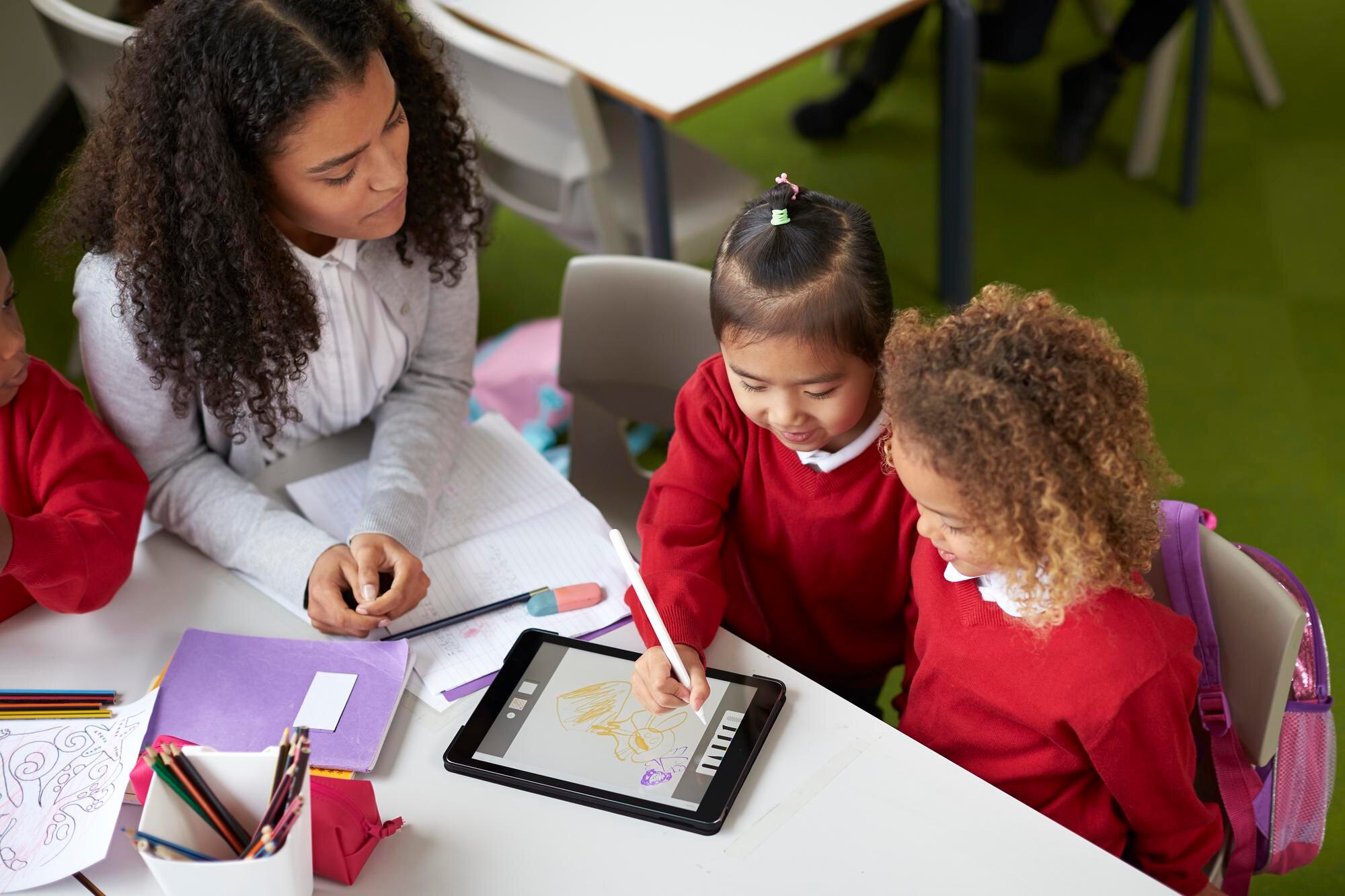
When documentation is done well, everyone wins. This approach creates stronger connections between home and school while improving teaching quality.
Building Trust with Parents
Detailed documentation opens a window into your child’s day that goes far beyond “they had fun.” This transparency builds genuine trust between families and educators.
Instead of wondering what your child does all day, you receive specific information: “Jackson spent 30 minutes in the garden today, noticing different textures of leaves and sorting them by size.” This level of detail shows you that we truly see and know your child.
These shared observations also create common ground for conversations. When you mention your child’s growing interest in insects at home, we can connect it to similar curiosities we’ve noticed at the centre. This back-and-forth sharing deepens our understanding of your child.
Many parents tell us that documentation helps them feel connected to their child’s day even when they can’t be present. Photos and stories become conversation starters at home: “I saw you built a tall tower today. Tell me about how you made it so strong!”
Supporting Professional Practice
Documentation helps our educators become better teachers by making learning visible and encouraging reflection on teaching practices.
When educators document children’s responses to activities, patterns emerge that might otherwise go unnoticed. Maybe most children lose interest in a particular game quickly, suggesting we need to adapt it. Or perhaps we notice certain materials consistently spark deep engagement, prompting us to offer more similar options.
Documentation also supports collaboration among our teaching team. When educators share their observations, they gain new perspectives on children’s learning and development. A colleague might notice something you missed or interpret a child’s actions differently.
This evidence-based approach keeps our teaching grounded in reality rather than assumptions. We can prove what works through documented results rather than relying on educational trends or personal preferences.
Enhancing Children’s Learning Experience
When children see their learning documented, they develop stronger identities as capable learners and gain a deeper understanding of their own growth.
Your child beams with pride when seeing photos of their block construction displayed alongside their explanation of how they built it. This documentation sends a powerful message: “Your ideas and efforts matter. We value your thinking.”
Documentation also helps children remember and build on previous learning. When we revisit photos or notes from past projects, children make connections: “Last time we used water to move the wheels, but today we’re trying air!”
Children often contribute to their own documentation by dictating stories about their play or selecting photos they find important. This participation helps them develop the ability to reflect on their own learning – a crucial skill for future school success.
The best part? Children who see themselves as capable, valued learners approach new challenges with confidence rather than hesitation. Documentation helps build this positive self-image from the earliest years.
Recommended Resources on Observation and Documentation
National Framework and Standards:
Australian Children’s Education & Care Quality Authority (ACECQA)
https://www.acecqa.gov.au/
National Quality Framework guidance, including assessment and planning requirements.Early Years Learning Framework (EYLF)
https://www.acecqa.gov.au/sites/default/files/2023-01/EYLF-2022-V2.0.pdf
Australia’s play-based learning framework emphasises observation and assessment.Queensland Kindergarten Learning Guideline (QKLG)
https://qklg.qld.gov.au/
Queensland-specific framework for kindergarten, including observation practices.
Professional Resources:
Early Childhood Australia – Assessment and Planning
https://www.earlychildhoodaustralia.org.au/
Professional resources on effective observation, documentation, and assessment practices.Pedagogical Documentation – Reggio Emilia Approach
https://www.reggiochildren.it/en/
International perspective on making learning visible through documentation.The Conversation – Early Childhood Education Research
https://theconversation.com/au/education
Academic research on assessment and documentation in an accessible language.
Child Development Understanding:
Raising Children Network – Child Development
https://raisingchildren.net.au/
Understanding developmental milestones to inform observations.Australian Research Alliance for Children and Youth (ARACY)
https://www.aracy.org.au/
Research on child development and well-being informs the observation focus.
Practical Guides:
Goodstart Early Learning – Learning Portfolios
https://www.goodstart.org.au/
Family-friendly explanations of learning portfolios and documentation.Department of Education – Assessment for Learning
https://www.education.gov.au/
Government resources on assessment practices in early childhood settings.
These resources support understanding of observation, documentation, and assessment as essential practices in quality early childhood education.